
4 Surprising Bus Safety Statistics You Didn’t Know
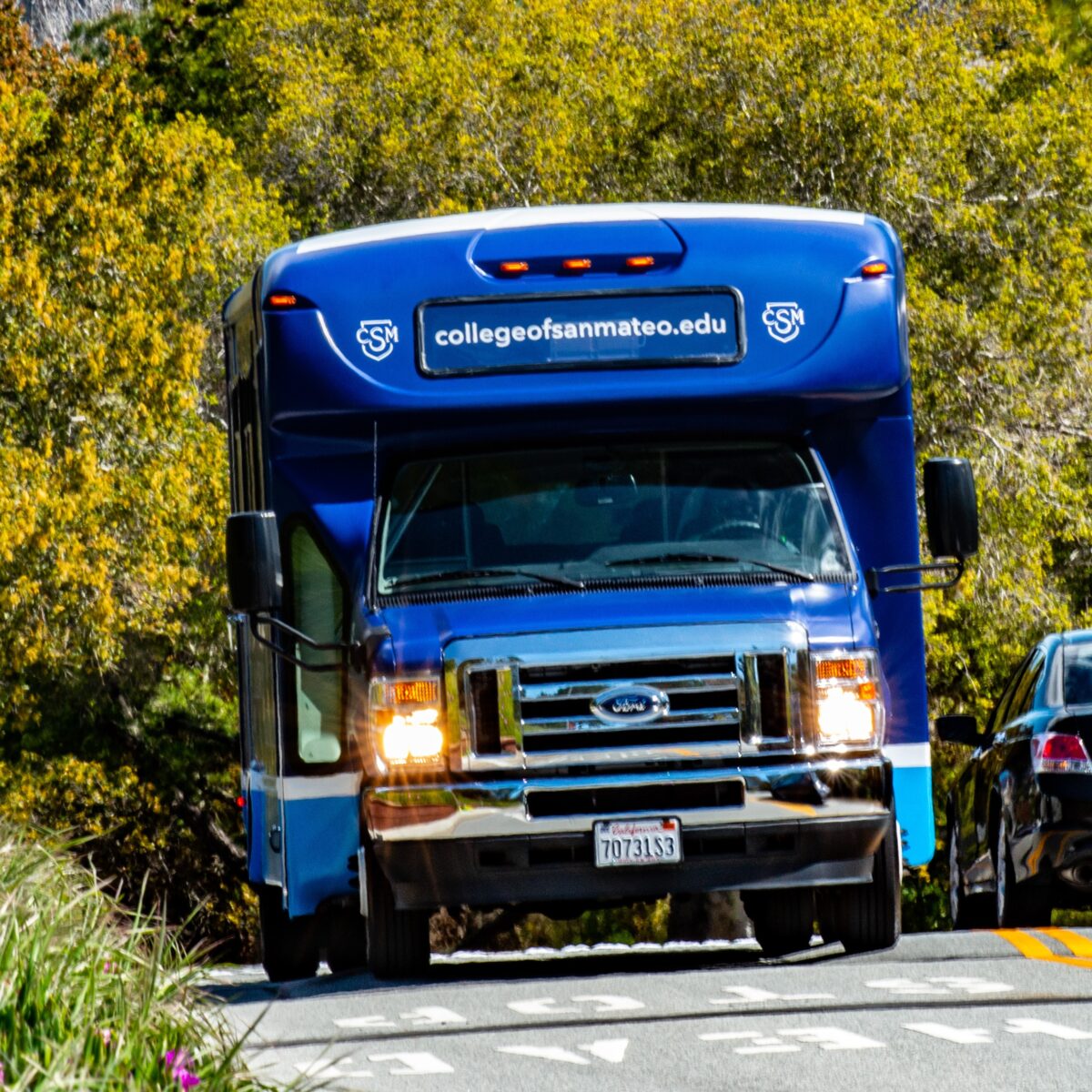
A surprising number of people don’t take advantage of city buses which make getting around both easier and more affordable because they’re worried about safety. All it takes is a single bus accident, and it seems like half the population reaches the erroneous conclusion that buses aren’t safe. What many people don’t realize is that there is far less chance of getting into a bus accident than a car accident. For families who still rely on a personal vehicle, the risk side of the comparison comes down to everyday habits too. This checklist for teen drivers covers simple pre-drive checks and safety reminders worth going over before a new driver gets behind the wheel. Here are some startling bus safety statistics you probably didn’t know:
School Buses are One of the Safest Forms of Travel
There are lots of people out there who would rather take the time to drive their child to and from school rather than take advantage of the school bus. While some parents do this because it provides them with an opportunity to spend time with their child, most state that they feel school buses are dangerous. What parents don’t realize is that according to the National Highway Traffic Safety Administration, (NHTSA) school buses are the safest form of travel there is. While there are approximately 6 school bus-related fatalities each year, those accidents are spread out over 450,000 school buses which transport hundreds of thousands of kids every single day.
The biggest issue regarding school buses and safety is making sure other drivers pay attention and actually stop when the red lights are flashing.
Buses Represent Approximately 10% of the Vehicles on the Road
A study indicates that buses make up a surprisingly small number of vehicles that are on the road. According to data collected by the National Transport System, only 10% of registered vehicles are buses. Most of these buses are rigorously maintained and repaired, making them safer and less likely to suffer mechanical failure/accidents than the average car.
All Bus Drivers are Licensed Commercial Drivers
One of the concerns often vocalized by the general public is that mass transit bus drivers aren’t qualified for their job. That’s simply not true. In order to even be considered for a job driving a mass transit bus, a driver must have their commercial driver’s license and be familiar with local driving rules and the type of bus they’ll be driving. The driving record of each driver is carefully scrutinized, and some companies have developed a system to monitor drivers to ensure they don’t use any type of electronic device while they’re driving the bus.
As a rule, commercially licensed drivers are extremely careful while they’re behind the wheel. For each mile driven, a driver with a commercial license is half as likely to get in an accident as a driver who doesn’t have their commercial driver’s license.
Economics Plays a Huge Role in Why People Take the Bus
Most people assume that people take mass transit buses in order to get to and from work, or for special events when they don’t want to walk or drive, but research indicates that most people make use of mass transit busing when they need to do things like attend doctors appointments, go to the grocery store, and for other routine errands. Approximately 65% of all the stops made by mass transit buses are for social reasons, medical appointments, school, recreation, and business. Knowing the most popular destinations makes it easier for the people in charge of mass transit companies to plan economical and useful routes.
At National Express Transit, we prioritize safety. Our company-wide global safety development campaign, Driving Out Harm, promotes consistency in our safety practices. Reach out today to learn how we can provide the safest, highest-quality transportation services for you.